Empathy is the Recipe Kids Need in a Digital Age
- Post author:mycrumbyworld
- Post published:
- Post category:Parent Pantry / Uncategorized
- Post comments:0 Comments
Helping Children Look Up, Notice Others, and Build Real Connection
Our children are growing up with more ways to communicate than any generation before them. They can send messages instantly, watch videos from around the world, play games with people they have never met, and find entertainment almost anywhere.
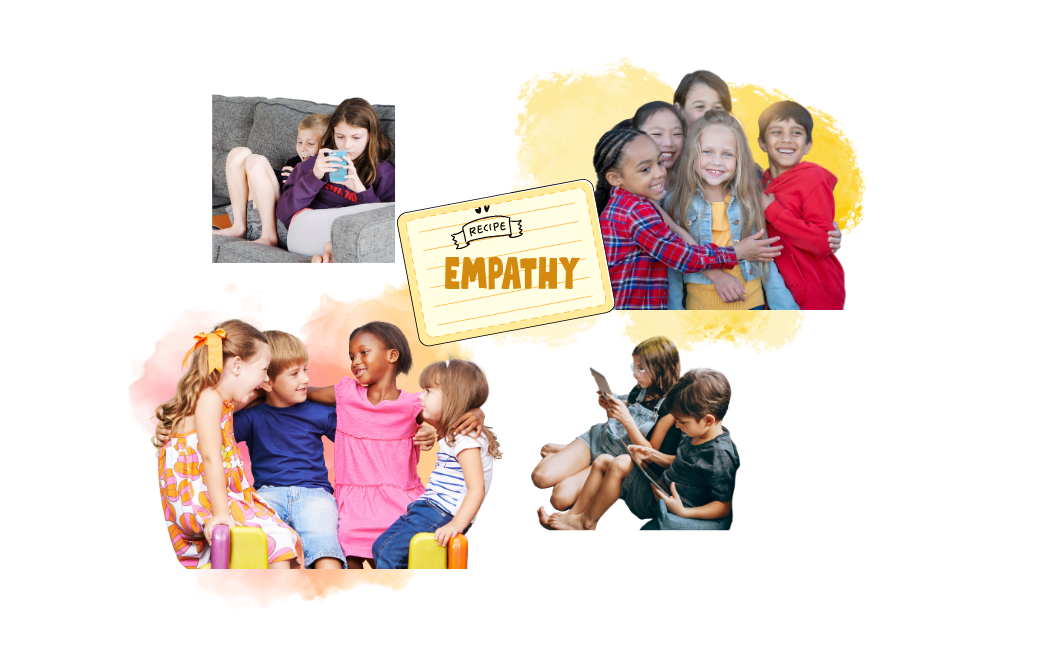
However, being constantly connected to devices does not always help children feel genuinely connected to the people around them. A child might sit next to a friend without speaking; a family can share a room while everyone looks at a separate screen; and a classmate may send a hurtful message without seeing the other child’s reaction.
In a digital world that often moves quickly and keeps children looking down, teaching empathy allows them to slow down, look up, and notice how others may be feeling. This is why Whitney Wheat believes empathy is one of the most important qualities we can instill in our children.
What Is Empathy?
Empathy is the ability to recognize, understand, and care about another person’s feelings. It encourages children to reflect on questions like, “How would I feel if that happened to me?” Empathy helps them notice when someone is lonely, embarrassed, nervous, disappointed, or excluded.
It’s important to know that empathy does not mean children must agree with everyone or solve every problem. Instead, it simply asks them to take a moment to consider another person’s experience. That brief pause can significantly change how a child responds. Instead of laughing, they might offer encouragement. Instead of excluding someone, they may choose to invite them in. Instead of sending an angry message, they could opt for kinder words. Instead of walking past someone who is hurting, they might stop and ask, “Are you okay?”
Whitney Wheat Notices the Feelings Behind the Faces
Whitney Wheat is known for her compassion and her ability to understand that people do not always express their true feelings. For example, a child may say, “I don’t care,” when they are actually feeling disappointed. A classmate might display anger as a result of feeling embarrassed. Similarly, a friend may become quiet because they worry that no one wants them around.
Whitney understands that empathy begins with the ability to notice these underlying emotions.
Whitney understands that empathy starts with noticing the people around her.
Empathy often begins with a simple decision: I will pay attention to how someone else may be feeling.
Why Empathy Can Be Harder to Practice Online
Face-to-face interactions provide children with important cues. They can hear the shakiness in someone’s voice, see tears forming, and notice when a smile fades. They can also recognize when a joke has gone too far. However, digital communication often removes many of these signals.
A message that seems harmless to the sender may come across as hurtful to the person receiving it. A child may type words they would never say while looking someone directly in the eye. Additionally, a classmate can be excluded from a group chat without anyone witnessing the immediate pain it causes. The screen creates distance, making it easier to forget that a real person is on the other side.
This is why children need constant reminders that every username, photograph, text message, and comment represents a human being with feelings.
Before posting or sending something, Whitney Wheat encourages children to ask:
- Is it true?
- Is it necessary?
- Is it kind?
- How might the other person feel when they read it?
- Would I say this if we were standing face-to-face?
These questions help children carry empathy into their digital lives.