Are “Jokes” Becoming Hurtful? How to Help Your Daughter Choose Kindness Over Laughter at Someone Else’s Expense
We all love to hear our kids laugh.
But sometimes… that laughter comes at someone else’s expense.
In Part 2 of our 7-part series: “Seven Signs Your Child Might Be Bullying Others—and How to Help,” we’re talking about a behavior that can easily be brushed off…but shouldn’t be: making hurtful jokes.
When Humor Crosses the Line
Kids often use humor as a way to:
- Fit in
- Gain attention
- Feel accepted by peers
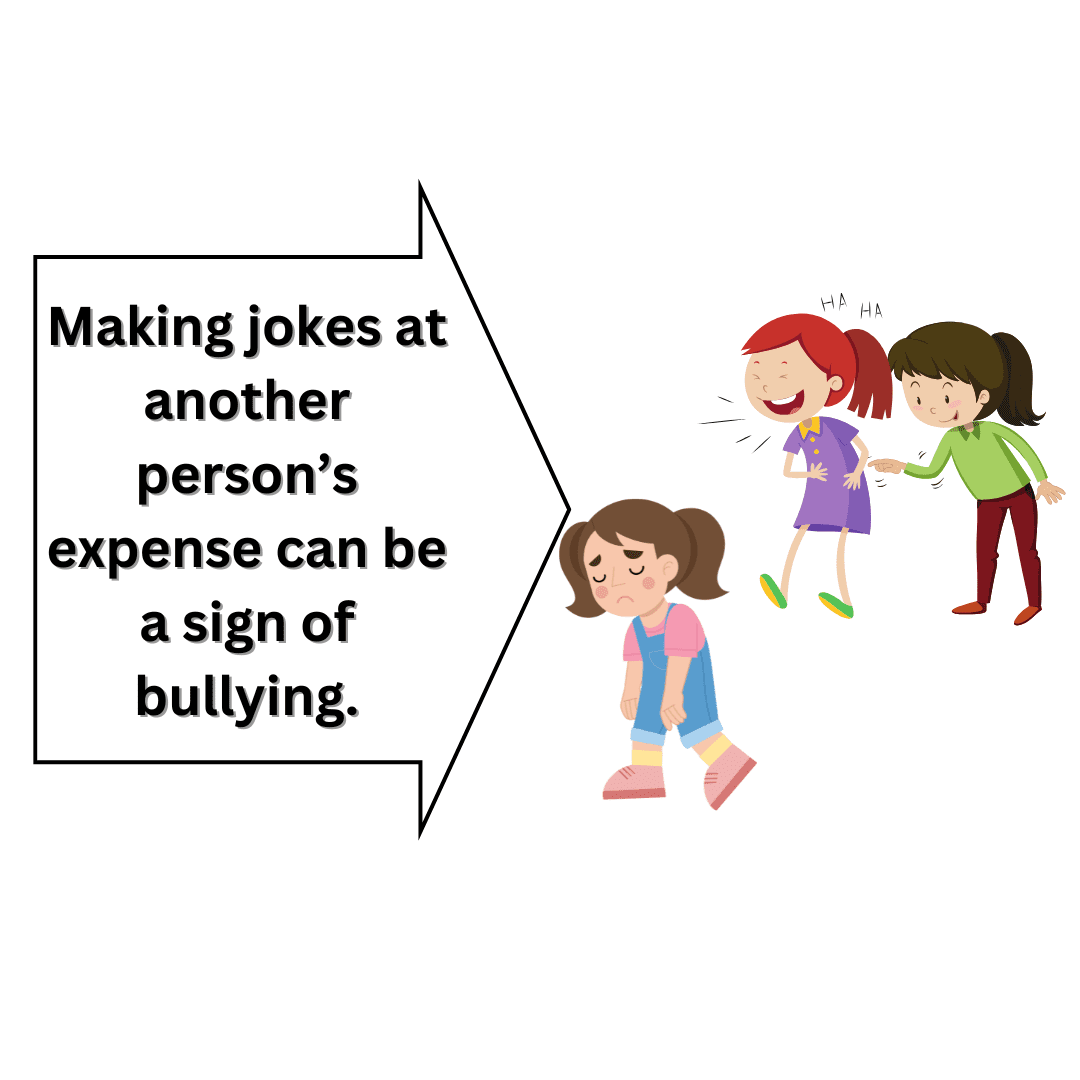
But when jokes are made about someone instead of with someone, they can quickly turn into something more harmful.
If your daughter frequently:
- Teases others in a way that embarrasses them
- Laughs when someone else is upset
- Says, “I was just joking!” after hurting someone
…it’s worth taking a closer look.
Because behind those moments is a powerful opportunity to teach empathy, awareness, and true confidence.
What Might Be Driving This Behavior?
Before correcting the behavior, it’s important to understand it.
Ask yourself:
- Is she trying to gain social status?
- Is she seeking attention or approval?
- Does she feel insecure or unsure of where she fits in?
Often, hurtful humor is less about meanness—and more about a desire to belong.
What To Do (With Rachel Rye’s Heart for Kindness )

1. Gently uncover the “why”
Approach with curiosity, not accusation.
“I noticed that joke hurt her feelings; what were you hoping would happen when you said it?”
2. Help her see the impact
Kids don’t always connect their words to others’ feelings.
Ask: “How do you think she felt when that was said?”
3. Redefine what it means to be funny
Teach her that humor can bring people together, not tear them down.
Encourage jokes, stories, and silliness that include others rather than exclude them.
4. Model compassion in action
Your behavior sets the tone.
Speak kindly about others, avoid cutting sarcasm, and show what respect looks like in everyday life.
Connection Builds Compassion
When your daughter feels secure and connected at home, she’s less likely to seek validation through negative behaviors.
That’s why this work matters.
Because teaching kindness isn’t just about correcting behavior, it’s about shaping identity.
Why This Matters as Girls Grow
As girls approach adolescence, social circles become more complex, and humor can become a tool for inclusion or exclusion.
By addressing hurtful joking early, you’re helping your daughter:
- Build stronger, healthier friendships
- Develop emotional intelligence
- Become someone who lifts others up
And that’s the kind of confidence that lasts.
You’re in the Right Place
This is Part 2 of our 7-part series designed to help parents recognize subtle signs of bullying behaviors and respond with intention and connection.
You don’t have to navigate this alone.
Want More Tools to Help Your Daughter Thrive?
At My Crumby World, we’re all about giving parents real, practical ways to build strong connections with their daughters—>because connection is the foundation for everything that follows.
👉 Follow along for more insights, activities, and tools designed to help your daughter grow into a kind, confident, and compassionate young girl.