Yo-Yo Friendships: What They Are and How to Help Your Daughter Navigate Them
- Post author:mycrumbyworld
- Post published:
- Post category:Parent Pantry
- Post comments:0 Comments
Friendships are at the heart of a young girl’s world, but not all friendships feel safe, steady, or easy to understand. One of the most confusing types? The yo-yo friendship.
If your daughter comes home one day talking about her “best friend forever,” and the next day says they’re no longer speaking, you may already be seeing this dynamic in action.
Let’s break down what yo-yo friendships are…and how you can help your daughter handle them with confidence and clarity.
What Is a Yo-Yo Friendship?
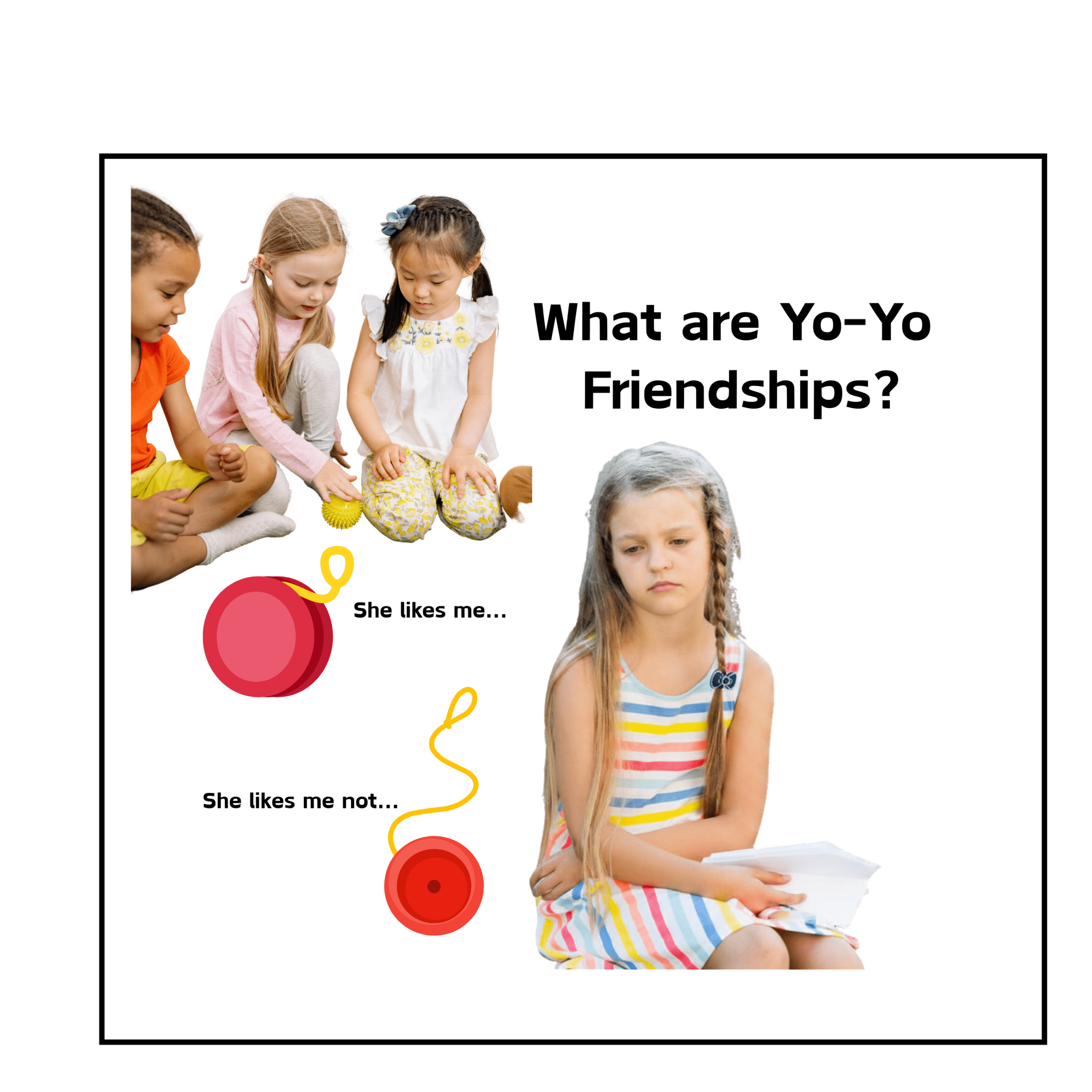
A yo-yo friendship is a relationship that constantly moves up and down——->just like a yo-yo.
One week (or even one day), the girls are:
- Inseparable
- Sharing secrets
- Laughing and connecting
Then suddenly, the friendship drops:
- They stop talking
- There’s conflict or exclusion
- Feelings get hurt
And just when your daughter starts to adjust… the friendship snaps back again.
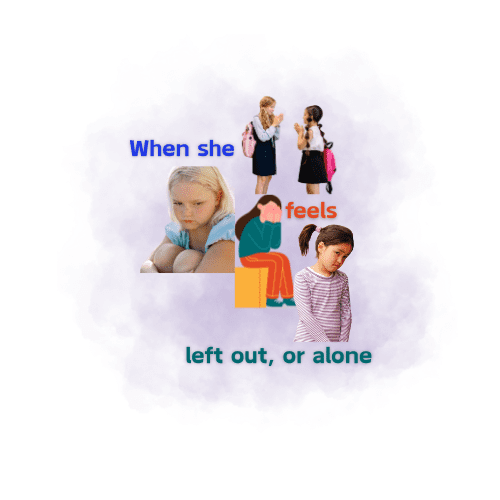
This cycle can repeat over and over, leaving her feeling like she’s always guessing where she stands.
Why Yo-Yo Friendships Are So Hard for Girls
For young girls, especially in elementary and preadolescent years, friendships aren’t just social. They’re deeply tied to identity, confidence, and emotional safety. That’s why yo-yo friendships can feel so overwhelming.
1. They create emotional confusion
Girls often don’t understand why the friendship keeps changing. One minute everything feels great, and the next, it doesn’t. That unpredictability can leave them anxious and overthinking every interaction.
2. They shake a girl’s sense of security
At this age, girls crave consistency. When a friendship feels unstable, it can make them feel like they don’t have a safe place to land socially.
3. They impact self-esteem
Many girls internalize the ups and downs:
- “Did I do something wrong?”
- “Why doesn’t she want to be my friend today?”
Over time, this can lead to self-doubt and a belief that they have to earn friendship.
4. They are influenced by social dynamics
Friendships at this stage are often tied to group dynamics, peer pressure, and inclusion. A girl may feel like she has to stay in a yo-yo friendship to avoid being left out.
5. They require skills that girls are still learning
Conflict resolution, communication, and emotional regulation are still developing. Without these tools, girls may fall into patterns of disconnecting instead of working through challenges.
How Parents Can Help Their Daughters Navigate Yo-Yo Friendships
You don’t need to “fix” the friendship, but you can absolutely equip your daughter with tools to handle it healthily.
1. Normalize the experience
Let her know this happens to many girls. It helps remove shame and makes her feel less alone.
2. Keep communication open
Ask gentle, curious questions:
- “How did that make you feel?”
- “What do you wish could be different?”
Focus on understanding, not solving right away.
3. Teach her to notice patterns
Help her recognize the “yo-yo”:
- When does the friendship feel good?
- When does it feel hurtful?
Awareness is the first step toward making empowered choices.
4. Build her sense of self-worth
Remind her:
- She deserves consistent, kind friendships
- She doesn’t have to chase or prove her value
Confidence is her strongest protection.
5. Encourage a circle, not a single friend
When girls rely on just one friendship, the highs and lows feel bigger. Help her build a variety of connections so her sense of belonging isn’t tied to one person.
6. Practice what to say
Give her simple language she can use:
- “I feel confused when we stop talking.”
- “I like being friends when we’re kind to each other.”
This builds both confidence and communication skills.
The Bigger Picture
Yo-yo friendships, while painful, are also powerful learning opportunities.
They teach girls:
- What a healthy friendship should feel like
- How to set boundaries
- How to value themselves
With your guidance, your daughter can learn not just how to survive these friendships—but how to grow through them.
And that’s where real confidence begins.