Social and Emotional Learning in Kids… Is it Important?
- Post author:mycrumbyworld
- Post published:
- Post category:Parent Pantry
- Post comments:0 Comments
I remember when I first started creating my interactive books. The first one focused on the positive impacts of failure, which is a topic I know quite a bit about. I recall an editor telling me that my timing was perfect in addressing the trend of social and emotional learning (SEL) in books that year. She mentioned that SEL was very popular in schools, and parents would likely be interested in this topic as well. Since I didn’t have much experience in this area, I was pleased to have tapped into a popular trend at the right time, which wasn’t something I did very often.
Today, social-emotional learning “is the curricular juggernaut that devours billions in education spending each year and upward of 8 percent of teacher time.” Abigail Shrier, author of “Bad Therapy: Why the Kids Aren’t Growing Up.”
“Social and Emotional Learning (SEL) aims to teach kids self-awareness, relationship skills, decision-making, and social awareness. Critics of this form of learning suggest that placing too much emphasis on feelings can undermine the success of classroom teaching. As one teacher states: ‘With children especially, whatever you focus on is what will grow, and with social-emotional learning, they’re watering the weeds instead of watering the flowers.'”
Advocates of social-emotional learning argue that many children today have experienced significant trauma that hinders their ability to learn. Should teachers and schools be responsible for intervening on behalf of these children to help them heal and enable them to learn?
Does sharing the traumatic experience of one student expose other students to contemplate their own experiences with pain and struggles? Do the children collectively enhance the positive feelings for the suffering child, or does that child bring the rest down with him?
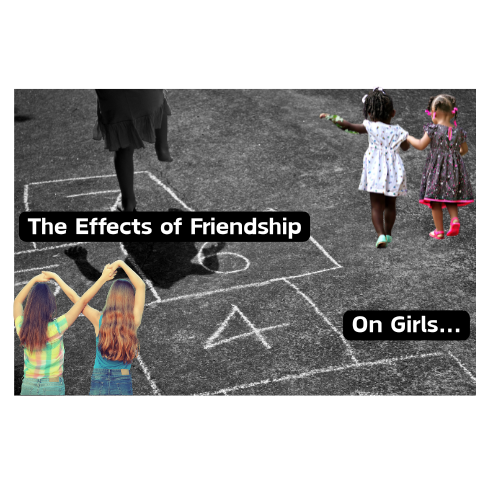
In “Bad Therapy,” Shrier explores how social-emotional lessons attempt to teach children how to be friends, but ultimately fall short because children learn how to make friends through real-life experiences rather than through lectures and handouts. Although I agree that there’s no substitute for the trial-and-error process of forming friendships, I still maintain that there is value in studying the characteristics of successful friendships.
What do you think about the growing emphasis on social-emotional learning in schools? Do you believe it is helping or hindering our kids in an era of heightened mental health problems?