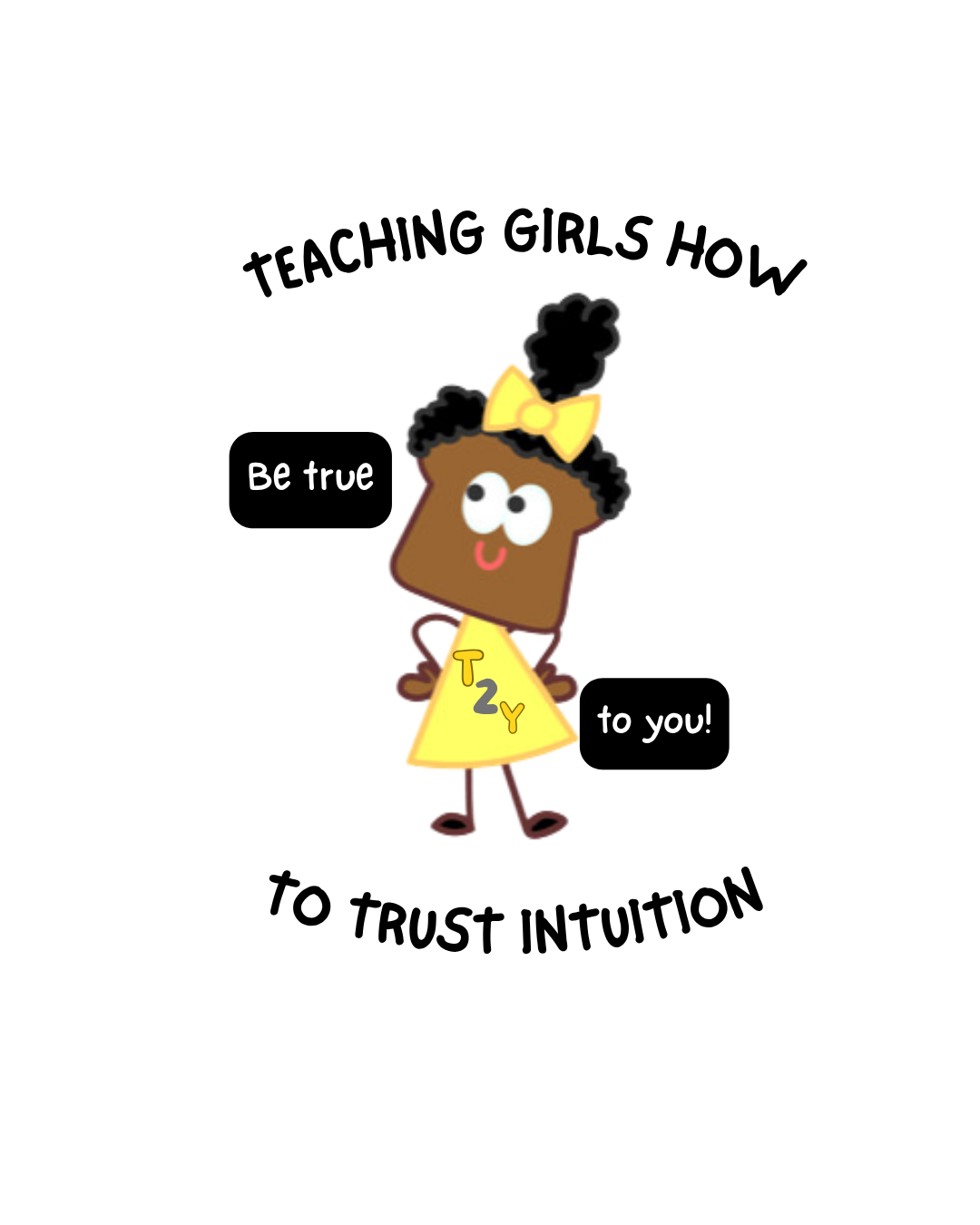
Teaching Girls to Trust Their Intuition: Penelope Pumpernickel and the Power of the Inner Voice
There’s a quiet little voice inside all of us.
Sometimes it whispers, “That doesn’t feel right.”
Sometimes it says, “You should go introduce yourself.”
And sometimes it gently reminds us, “You are stronger than you think.”
At My Crumby World, one of the Breadcrumbz characters who understands this best is Penelope Pumpernickel. Penelope is brave, thoughtful, and always encourages girls to listen closely to their inner voice, because intuition is one of the most important tools a girl can develop.
In today’s fast-moving world, girls are constantly surrounded by noise. Social media trends, peer pressure, comparison, and the opinions of others can drown out the voice that matters most: their own. Teaching girls how to trust their instincts helps them develop confidence, self-awareness, resilience, and stronger decision-making skills.
What Is Intuition?
Intuition is that “gut feeling” or inner knowing that helps guide us. It’s the feeling that tells a child:
- A friendship may not be healthy
- A situation feels unsafe
- Someone needs kindness
- They should speak up
- They should walk away
- They should try something new, even if it feels scary
Children are often naturally intuitive, but many begin to doubt themselves as they grow older. That’s why it’s so important to nurture this skill early.
Why Girls Need to Learn to Trust Their Inner Voice
Girls are frequently taught to be polite, agreeable, and accommodating. While kindness matters, girls also need to understand that their feelings and instincts matter too.
When girls learn to trust themselves:
- They become more confident decision-makers
- They are better able to recognize unhealthy friendships
- They develop stronger boundaries
- They feel empowered to speak up
- They become less dependent on outside validation
Penelope Pumpernickel reminds girls that bravery doesn’t always roar loudly. Sometimes bravery is simply listening to the little voice inside that says, “I deserve better,” or “I think I should try.”
Helping Girls Strengthen Their Intuition
1. Encourage Them to Talk About Feelings
When girls can identify emotions, they become more connected to their intuition. Ask questions like:
- “What did your heart tell you?”
- “Did that situation make you feel comfortable or uncomfortable?”
- “What do you think your inner voice is trying to tell you?”
These conversations help girls learn that their feelings have value.
2. Avoid Dismissing Their Concerns
If a child says someone makes them uncomfortable, listen carefully. Even if the concern seems small to an adult, acknowledging their feelings teaches them to trust themselves.
Penelope Pumpernickel constantly reminds us:
“If you’re ever wondering what to do…always remember to be TRUE TO YOU!”

3. Let Girls Practice Making Decisions
Confidence grows through experience. Allow girls to make age-appropriate choices:
- Picking activities
- Choosing books
- Solving small friendship conflicts
- Trying new hobbies
Every decision helps strengthen self-trust.
4. Teach the Difference Between Fear and Intuition
Sometimes fear says:
- “I can’t do this because I might fail.”
But intuition says:
- “Something doesn’t feel right here.”
Helping girls recognize this difference builds emotional intelligence and confidence.
5. Model Listening to Your Own Intuition
Kids learn by watching adults. When parents calmly explain decisions like:
- “I had a feeling this was the right choice.”
- “Something didn’t feel right, so I listened to myself.”
…girls begin to understand that intuition is valuable at every age.
Building Brave Girls from the Inside Out
At My Crumby World, we believe confidence starts within. Long before girls can stand strong in the world, they must first learn to trust themselves.
Penelope Pumpernickel teaches girls that their inner voice is not something to ignore; it’s something to treasure.
In a world constantly telling girls who they should be, one of the greatest gifts we can give them is the ability to pause, listen inward, and say:
“I trust myself.”
Because when girls learn to trust their intuition, they don’t just become braver.
They become stronger, wiser, and more connected to who they truly are.