When Children Keep Secrets, It Could Be a Warning Sign of Bullying Behavior.
- Post author:mycrumbyworld
- Post published:
- Post category:Parent Pantry
- Post comments:0 Comments
As parents, we often worry about whether our children are being bullied. But one of the more difficult conversations to have is the possibility that our child may be participating in behaviors that are hurting someone else.
Bullying doesn’t always look like loud aggression or obvious cruelty. Sometimes it hides quietly behind secrecy, withdrawn behavior, hidden online activity, or friendships parents know very little about.
That’s why one of the signs we’re discussing in our Seven Signs Your Child Might Be Bullying Others series is:
🚩 Being Secretive
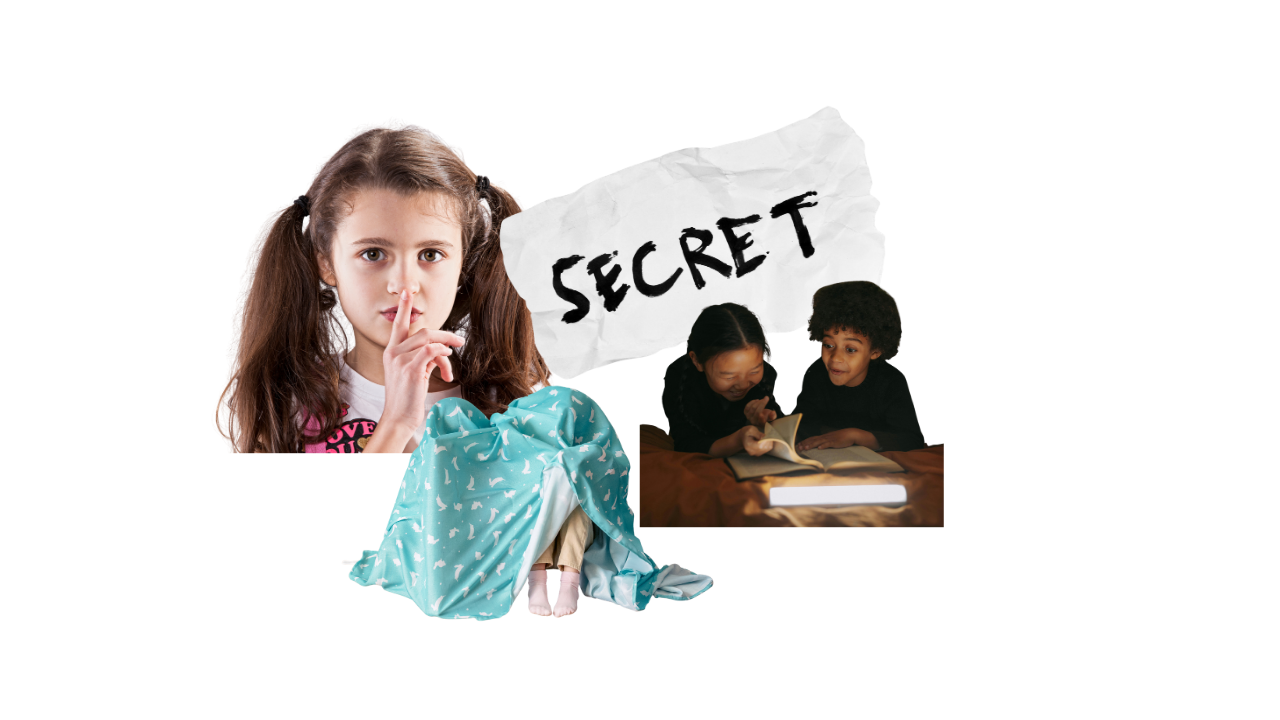
If your child suddenly becomes unusually secretive about their social life, online activity, text messages, or friendships, it may be time to pay closer attention.
This does not automatically mean your child is bullying someone. Kids deserve privacy as they grow and develop independence. However, when secrecy becomes excessive or defensive, it can sometimes signal that a child knows their behavior would concern you if you discovered it.
Examples may include:
- Quickly hiding screens when adults walk by
- Refusing to discuss what’s happening online
- Secret group chats or social media accounts
- Increased defensiveness about friendships
- Whispering, deleting messages, or isolating themselves during online interactions
- They laugh about situations that they suddenly refuse to explain.
In today’s digital world, social cruelty often happens quietly…through exclusion, screenshots, gossip, fake accounts, or group chats parents never see.
And unfortunately, kids sometimes participate simply because they want to fit in.
What Whitney Wheat Wants Kids to Understand
In My Crumby World, Whitney Wheat reminds us that honesty, fairness, and kindness matter; even when nobody is watching.
Whitney knows that secrets can sometimes feel exciting, especially when kids want approval from peers. But she also teaches that there’s a difference between:
- Healthy secrets (like planning a surprise birthday party), and
- Unhealthy secrets that could hurt someone emotionally or physically.
One of the most powerful things we can teach kids is this:
“If you feel like you have to hide it from the adults who love you, it may not be the right thing to do.”
That lesson matters now more than ever.
The Rise of Secret Social Lives
Many parents underestimate just how quickly kids can develop an entirely separate online world.
Children today are navigating:
- Snapchat streaks
- Private group chats
- Gaming chats
- Fake accounts (“finstas”)
- Disappearing messages
- Secret language and emojis adults don’t recognize
Sometimes, children who struggle socially may engage in bullying to avoid becoming the next target themselves.
This is why connection—>not interrogation<—is so important.
💛 What To Do If You Notice This Sign
The goal is not to shame your child.
The goal is to understand why secrecy is happening and help guide them back toward empathy, honesty, and healthy relationships.
1. Become More Curious Than Reactive
If kids fear immediate punishment, they often become more secretive.
Instead of:
- “What are you hiding?”
Try: - “You seem more private lately. Is something going on socially that feels difficult?”
Gentle conversations open doors that accusations slam shut.
2. Practice Active Listening
Many kids shut down because they feel judged or misunderstood.
When your child talks:
- Listen without interrupting
- Stay calm
- Avoid overreacting immediately
- Focus on understanding before correcting
Sometimes kids reveal important things slowly over time.
3. Discuss Healthy vs. Unhealthy Secrets
Whitney Wheat would remind kids that good friendships don’t require hiding harmful behavior.
Talk openly about:
- Secrets that protect joy and surprise
- Versus secrets that involve cruelty, humiliation, exclusion, or fear
Helping children recognize this difference builds stronger moral awareness.
4. Rebuild Offline Connection
Kids who spend too much time immersed in online social dynamics can lose perspective quickly.
Try:
- Family dinners without phones
- Baking together in the Kitchen (we can help!)
- Outdoor play and shared activities
- Reading stories together
- Simple one-on-one time
Connection creates space for honesty.
Kids Need Guidance, Not Labels
It’s important to remember:
A child who participates in bullying behavior is not automatically a “bad kid.”
Sometimes children:
- Follow peer pressure
- Struggle with insecurity
- Want social acceptance
- Lack emotional maturity
- Mimic the behavior they see online
Our job as parents is not perfection.
Our job is to help kids develop empathy, accountability, courage, and emotional awareness as they grow.
That’s exactly why conversations like these matter.
🍞 Final Thoughts from Whitney Wheat
In My Crumby World, we believe strong character is built one small moment at a time.
Honesty matters. Compassion matters. Courage matters.
And often, the most important parenting happens not during the big dramatic moments, but during the quiet conversations where our kids feel safe enough to tell the truth.
Because when connection grows, secrecy often shrinks.