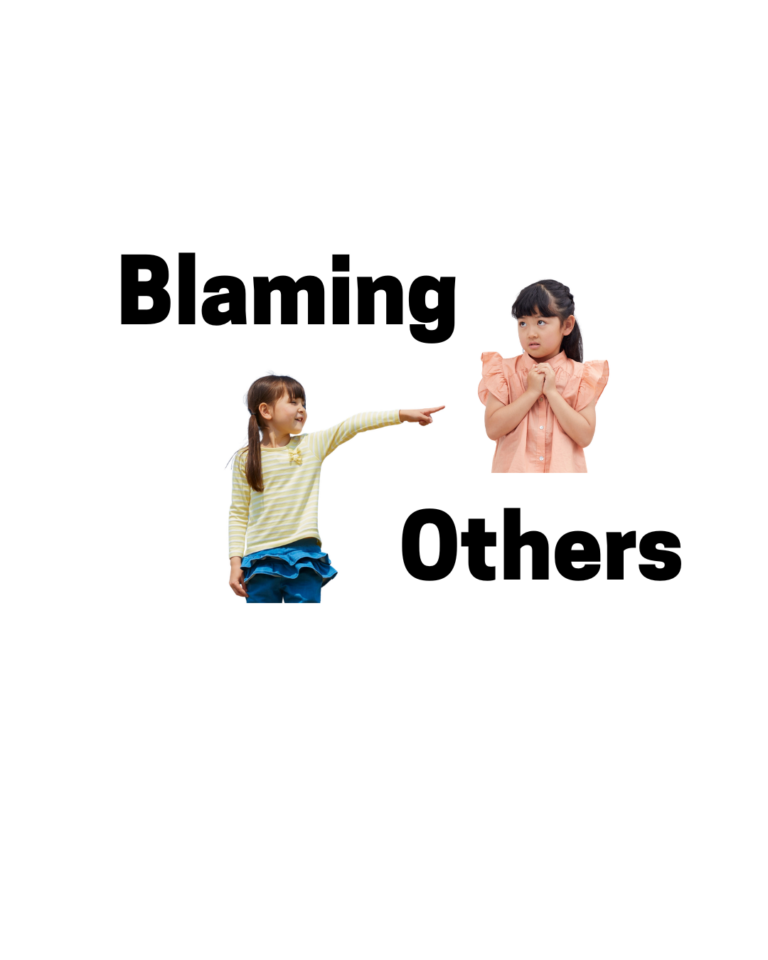
Is Your Child Showing Controlling Behaviors? Here’s How to Guide Her with Confidence and Connection
- Post author:mycrumbyworld
- Post published:
- Post category:Parent Pantry
- Post comments:0 Comments
As parents, we often focus on protecting our daughters from harm, but what happens when our child may be the one exhibiting hurtful behavior?
It’s a tough question. And an important one.
In this first post of our 7-part series on recognizing and addressing bullying behaviors, we’re focusing on a subtle but powerful early sign: controlling or dominating others.
What Does Controlling Behavior Look Like?
Sometimes it doesn’t look like “bullying” at all.
It can show up as:
- Always needing to be in charge during play
- Telling friends what they can or cannot do
- Excluding others who don’t follow her lead
- Becoming upset when she doesn’t get her way
These behaviors often stem from deeper needs, like insecurity, a desire for control, or difficulty navigating social dynamics.
And here’s the truth: this is a teachable moment.
What You Can Learn by Watching
One of the most powerful tools you have as a parent is observation.
Watch how your daughter interacts with her peers:
- Does she listen to others’ ideas?
- Does she compromise?
- How does she react when things don’t go her way?
These everyday moments are windows into her developing social world, and opportunities for guidance.
What To Do (Without Shame or Blame)
The goal isn’t to label your child…it’s to lead her.
Here’s how:
1. Address the behavior calmly
Instead of reacting with frustration, approach with curiosity.
“Hey, I noticed you were telling your friend what game she had to play. Let’s talk about that.”
2. Build empathy through understanding
Help her connect actions to impact.
“How do you think your friend felt when she didn’t get a turn to choose?”
3. Model healthy relationships
Your daughter is always watching you. Show her:
- Respectful communication
- Active listening
- Compromise in real life
4. Create safe practice opportunities
Role-play different scenarios at home:
- Taking turns
- Letting someone else lead
- Solving disagreements
These small practices build big skills.
Why This Matters More Than Ever
As girls approach adolescence, social dynamics become more complex and often more intense. Without guidance, controlling behaviors can evolve into relational aggression, exclusion, and social cruelty.
But with early connection and intentional teaching, you can help shape a different path; one rooted in empathy, confidence, and healthy relationships.
This Is Just the Beginning…
This post is part of our 7-part series: “Seven Signs Your Child Might Be Bullying Others—and How to Help.”
Next up: another sign to watch for…and more tools to help you guide your daughter with confidence and connection.
Because this isn’t about perfection.
It’s about raising girls who know how to build others up, not tear them down.
Want More Support?
If this resonates with you, you’re not alone, and you don’t have to figure it out on your own.
I’ve created tools, activities, and connection-based strategies to help you build stronger communication with your daughter now—>before the social pressures intensify.
👉 Stay connected with My Crumby World for more guidance, resources, and real-life solutions.