
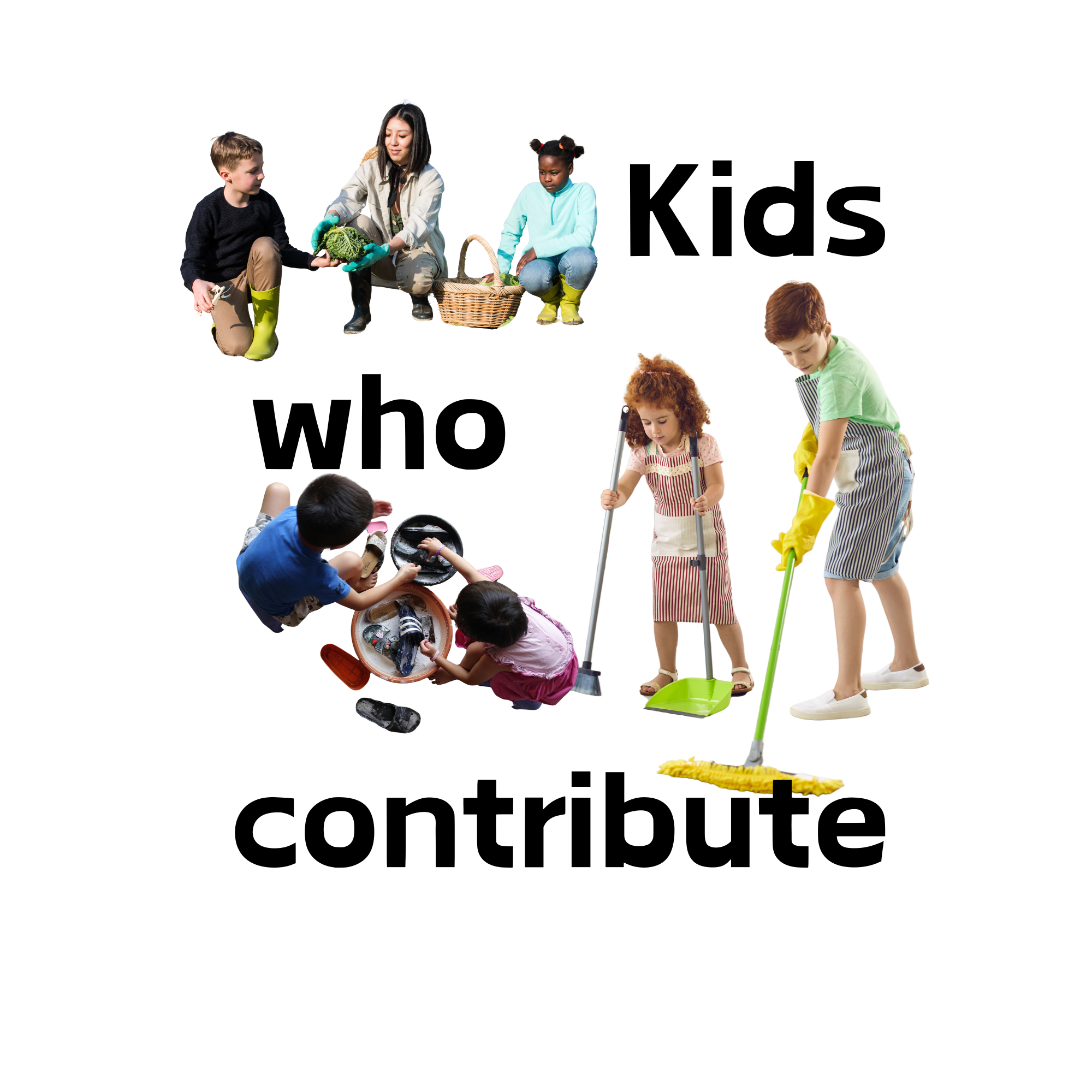
Children Who Contribute Today Become the Leaders of Tomorrow
When we prepare our children for the future, it’s easy to focus primarily on academics. We want them to read well, solve math problems, earn good grades, get accepted into great colleges, and find successful careers. While these are all valuable goals, what if one of the greatest predictors of future success isn’t reflected on a report card?
What if it’s found in the everyday moments when a child chooses to help instead of just watch, to encourage instead of criticize, and to contribute rather than simply consume? At My Crumby World, we believe that children who learn to contribute today often become the adults that others naturally want to work with tomorrow.
No one understands the power of teamwork quite like Rachel Rye.

Rachel Rye Knows That Everyone Has Something to Bring to the Table
Rachel Rye loves being part of a team. Whether she’s mixing cookie dough, building a blanket fort, or planting flowers in the garden, she understands something important: every person has something valuable to contribute.
One friend measures the flour, another stirs the batter, and someone else sets the table. When everyone contributes, everyone belongs.
Rachel knows that contributing isn’t about taking on the biggest job or receiving the most recognition. It’s about asking one simple question: “How can I help?”
Imagine if more children asked that question every day. Think about how different our classrooms, teams, neighborhoods, and workplaces could be.
Contribution Is More Than Chores
Contribution is often thought of as simply helping around the house. While chores like taking out the trash and making the bed are important, contribution encompasses much more. It is a mindset.
Children who learn to contribute start seeking ways to improve the lives of those around them. They become aware of others’ needs, show care, and take initiative to help. As a result, contribution becomes an integral part of their identity rather than just another item on a checklist.
Small contributions can lead to the development of strong character.
Small Contributions Build Big Character
Children don’t need grand opportunities to make a difference.
Character is built through ordinary moments.
A child contributes when they:
- Help carry groceries without being asked.
- Hold the door open for someone with full hands.
- Pick up litter on the playground.
- Invite a classmate to join a game.
- Help a younger sibling tie a shoe.
- Feed the family pet.
- Water the garden.
- Set the dinner table.
- Write a thank-you note to a teacher.
- Encourage a teammate who made a mistake.
- Return library books for a grandparent.
- Help clean up after an activity, even if they didn’t make the mess.
None of these acts makes headlines.
But each one quietly teaches children:
“I can make someone else’s day a little easier.”
That realization is incredibly powerful.


