
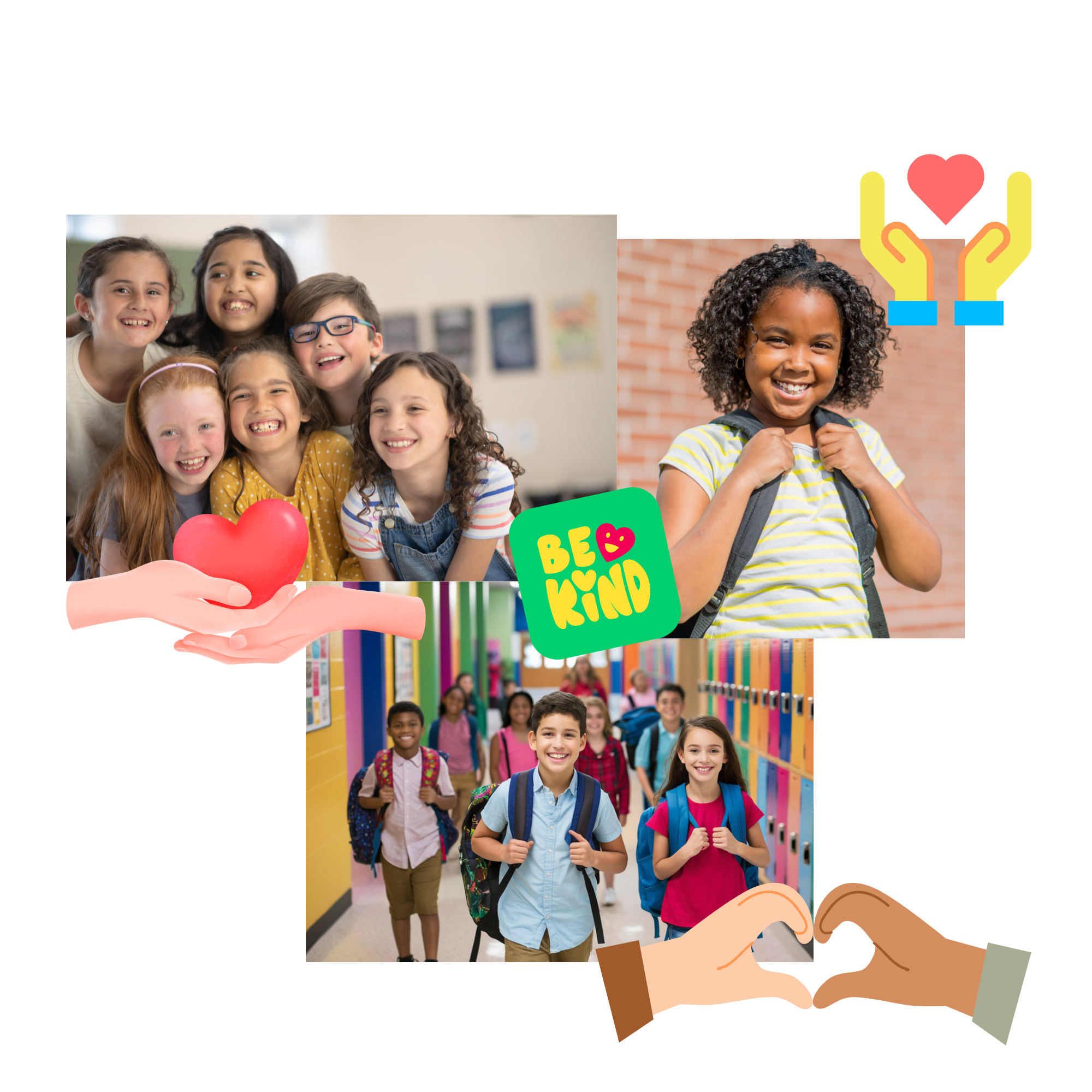
Courage to Be Kind: The Bravest Choice Your Child Can Make This School Year
As a new school year begins, many children are thinking about the same things:
“Will I like my teacher?”
“Will I make friends?”
“Will I fit in?”
Students often worry about what clothes to wear, where to sit at lunch, and whether they will feel like they belong. However, this year, Penelope Pumpernickel faces a different challenge. It’s not about getting straight A’s, making the team, or being the smartest student in the class. This year, her challenge is something much more important: having the courage to be kind.
Kindness Isn’t Always the Easy Choice
When we think about kindness, we often envision smiling faces, helping hands, and friendly words. However, true kindness isn’t always easy or comfortable. Sometimes, it requires us to take actions that may feel intimidating. It takes courage to sit beside the new student when everyone else is with their friends. It takes courage to invite someone to join your game, even if others might disapprove. It takes courage to say to a classmate, “You can play with us.” It takes courage to stand up for someone who is being teased. And it takes courage to walk away when everyone else is laughing at someone else’s expense. These actions are not just expressions of kindness; they are also acts of bravery.
Penelope Knows What Courage Really Looks Like
Penelope Pumpernickel has never believed that courage means you’re never afraid.
She knows courage means doing the right thing even when you are.
Imagine Penelope walking into school on the first day.
She notices a girl sitting quietly by herself during recess.
For just a moment, Penelope hesitates.
“What if my friends wonder why I’m talking to her?”
“What if she doesn’t want to play?”
“What if I feel awkward?”
Those thoughts are normal.
But courage whispers something stronger.
“What if she’s hoping someone will notice her?”
So Penelope walks over.
“Hi! I’m Penelope. Want to play with us?”
That simple invitation may only take a few seconds to say.
But for the child hearing it, it might become one of the moments they remember for years.
Courage Is Contagious
One of the incredible aspects of kindness is that it often creates a ripple effect. When one child demonstrates courage, others take notice. This can lead to a chain reaction, where more and more children begin to act with kindness. Research shows that prosocial behaviors, such as kindness, cooperation, and helping others, can strengthen relationships among peers, enhance feelings of belonging, and contribute to a more positive school environment. Children who feel included are also more likely to extend that same kindness to others, further reinforcing the cycle of goodwill within the classroom. One brave act can inspire many more.
The Quiet Pressure Kids Face
Today’s children are growing up in an environment where fitting in can feel incredibly important.
Sometimes they worry:
“What if people think I’m weird?”
“What if nobody wants to sit with me?”
“What if helping someone makes me less popular?”
These fears are real.
That’s why we shouldn’t assume kindness always comes naturally.
Sometimes children need permission and encouragement to choose kindness even when it’s difficult.
We need to remind them that courage isn’t measured by how loudly they speak or how many awards they win.
Sometimes courage looks like a quiet decision that no one else even notices.
Why Kindness Builds Confidence
Many people believe that confidence comes from being admired. However, lasting confidence often develops from living in accordance with your values.
Children who choose kindness learn something powerful:
“I can make someone’s day better.”
“I have something valuable to offer.”
“I can be a leader by lifting others up.”
That type of confidence does not rely on popularity; it stems from character. And character endures far longer than applause.
This school year, Penelope has a mission for every child.
She calls it the Courage to Be Kind Challenge.
Can you…
🌻 Invite someone new to join your game?
🌻 Sit next to someone who looks lonely?
🌻 Give a sincere compliment?
🌻 Stand up for someone being teased?
🌻 Include someone who feels left out?
🌻 Say “thank you” to your teacher?
🌻 Help someone who is struggling?
None of these acts requires superpowers.
But every one of them requires courage.
A Message for Parents
As parents, we naturally hope our children will be successful. We celebrate their accomplishments, cheer for them from the sidelines, and hang their artwork on the refrigerator. However, one of the most important questions we can ask after school isn’t, “Did you get everything right today?” Instead, consider asking: – “Who did you help today?” – “Did anyone make you feel welcome?” – “Did you help someone else feel welcome?” – “When was it difficult to choose kindness today?” Questions like these convey that kindness is just as valuable as achievement. Over time, children will start to believe this too.
Final Crumb to Hold Onto
This school year, many children may feel nervous. They might feel different or wonder if they will find a friend. Your child could be one of them.
Or…
Your child might even become the reason someone else feels like they belong.
Penelope Pumpernickel believes that courage isn’t always loud. Sometimes, courage sounds like, “Would you like to sit with me?” Sometimes, it looks like making room in the lunch line. Other times, courage means choosing kindness when it’s easier to walk away.
This year, let’s raise children who understand that the bravest thing they can do isn’t to be the most popular, the smartest, or the best athlete. The bravest thing they can do is have the courage to be kind.
Penelope’s Parent Challenge
 Tonight at dinner, ask your child:
“If you notice someone sitting alone at school this year, what could you do to help them feel included?”
You’ll be surprised how one simple conversation can prepare your child for a courageous act of kindness before the school year even begins.


