
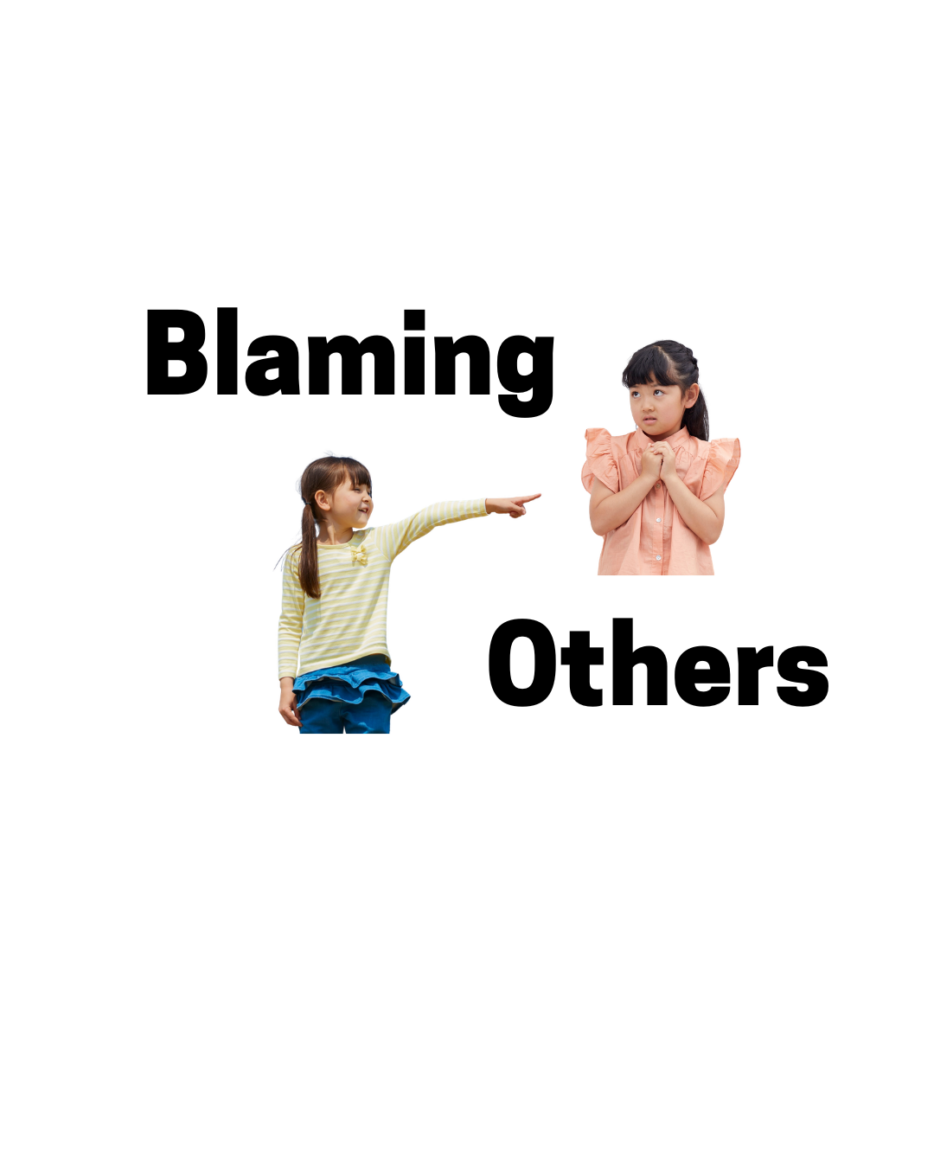
Is Your Child Blaming Others? Here’s How to Teach Accountability with Connection
- Post author:mycrumbyworld
- Post published:May 12, 2026
- Post category:Parent Pantry
- Post comments:0 Comments
As parents, one of the hardest things to hear is, “It wasn’t my fault.”
And while that may seem like a small, everyday response, consistently blaming others can be a deeper signal worth paying attention to.
In Part 5 of our 7-part series: “Seven Signs Your Child Might Be Bullying Others, and How to Help,” we’re diving into a behavior that can quietly impact friendships, confidence, and emotional growth: avoiding responsibility by blaming others.
Why Blaming Others Matters
When a child regularly shifts blame, it can:
- Prevent her from learning important life lessons
- Strain friendships and trust
- Block the development of empathy and accountability
Often, this behavior isn’t about defiance—it’s about protection.
Your daughter may be trying to avoid embarrassment, consequences, or uncomfortable feelings.
And that’s where you come in.
What to Look For
Pay attention if your child:
- Rarely admits fault, even in small situations
- Quickly points fingers at siblings, friends, or classmates
- Becomes defensive when asked about her role in a problem
These patterns offer an opportunity—not for punishment—but for teaching and connection.
What To Do
1. Stay calm and lead with empathy
Your tone sets the stage. When you stay grounded, your child feels safe enough to be honest.
Try: “I’m not upset—I just want to understand what happened.”
2. Shift from blame to behavior
Instead of focusing on who’s at fault, focus on what happened.
This helps remove shame and opens the door to learning.
3. Guide her to see her role
Ask gentle, guiding questions:
- “What part do you think you played in this?”
- “What could you do differently next time?”
This builds self-awareness, one small step at a time.
4. Teach problem-solving skills
Walk through situations together:
- What was the problem?
- What were the choices?
- What’s a better solution next time?
These conversations build confidence and accountability.
Connection First, Correction Second
Before your daughter can take responsibility, she needs to feel safe, seen, and supported.
When you lead with connection instead of correction, you:
- Reduce defensiveness
- Encourage honesty
- Strengthen your relationship
And that connection? It becomes your greatest tool as she navigates the increasingly complex social world ahead.
Why This Matters for the Future
As girls grow, social dynamics become more layered and sometimes more emotionally charged. Without the ability to take responsibility, blaming behaviors can evolve into conflict, exclusion, or relational aggression.
But when you teach accountability early, you’re giving your daughter something powerful:
👉 The ability to own her actions
👉 The confidence to repair relationships
👉 The empathy to understand others
You’re Not Alone in This
This is Part 5 of our 7-part series designed to help you recognize early signs and respond with intention, not fear.
Because raising kind, confident, and socially aware girls doesn’t happen by accident…it happens through connection, conversation, and guidance.
Want More Tools Like This?
If you’re ready to build stronger communication with your daughter and guide her through these critical years, we’ve created resources to help you every step of the way.
👉 Follow along with My Crumby World for more insights, activities, and connection-building tools designed just for you and your girl.


