Is Your Child Struggling with Empathy? How to Help Her Develop Compassion and Emotional Awareness
- Post author:mycrumbyworld
- Post published:
- Post category:Parent Pantry
- Post comments:0 Comments
One of the most important qualities a child can develop isn’t intelligence, popularity, or talent.
It’s empathy.
In Part 6 of our 7-part series: “Seven Signs Your Child Might Be Bullying Others—and How to Help,” we’re exploring a behavior that often sits at the heart of social cruelty: a lack of empathy.
Because when a child struggles to understand or care about how others feel, it becomes much easier to dismiss pain, exclude peers, or laugh at someone else’s hurt.
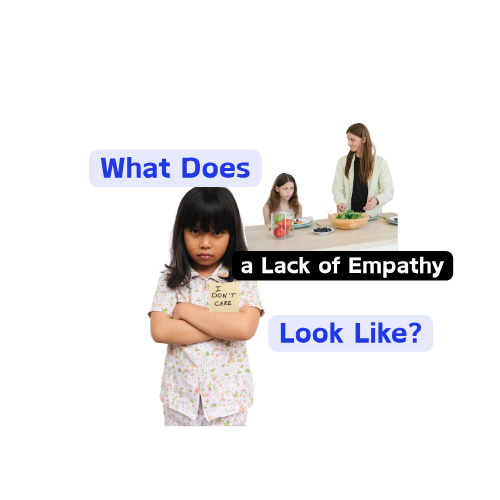
What Does a Lack of Empathy Look Like?
Sometimes the signs are subtle.
Your child may:
- Laugh when another child gets hurt
- Tease someone for being emotional
- Show little concern when someone is excluded
- Seem emotionally disconnected from the feelings of others
These moments can feel alarming as a parent, but they are also opportunities for teaching and growth.
Empathy is not simply something children “have” or “don’t have.”
It’s a skill that can be nurtured, modeled, and strengthened over time.
Why Empathy Matters So Much
Empathy is what helps children:
- Build meaningful friendships
- Resolve conflict peacefully
- Recognize when their behavior hurts others
- Develop emotional intelligence and compassion
Without empathy, social interactions can become centered on power, status, or self-interest rather than connection.
And in today’s world, especially online, that disconnect can become dangerous.
What To Do (With Whitney Wheat’s Heart for Fairness 🧡)
1. Address the behavior with patience, not shame
Instead of labeling your child as “mean,” focus on helping her understand emotions and consequences.
Children learn best when they feel emotionally safe enough to reflect.
2. Teach emotional literacy
Help your daughter identify feelings–>both her own and others’.
Use phrases like:
- “She looks disappointed.”
- “What do you think he felt in that moment?”
The more children can name emotions, the better they can respond to them.
3. Encourage perspective-taking
Ask thoughtful questions:
- “How would you feel if that happened to you?”
- “What do you think she needed in that moment?”
Role-playing situations can also help children practice empathy in a safe environment.
4. Model compassion daily
Your daughter watches how you treat people, especially when others are struggling.
Small acts of kindness, patience, and understanding teach powerful lessons.
Connection Is the Root of Compassion
Children who feel emotionally connected at home are often more emotionally available to others.
That’s why building communication early matters so much.
When your daughter feels seen, heard, and valued, she’s more likely to extend those same feelings to the people around her.
Why This Matters as Girls Grow
As girls approach adolescence, friendships become increasingly emotional and socially layered. Without empathy, teasing and exclusion can quickly escalate into relational aggression and bullying.
But empathy changes everything.
It helps girls:
- Become kinder friends
- Handle conflict more thoughtfully
- Build confidence rooted in compassion instead of comparison
And those are the skills that create healthier relationships for years to come.
You’re Helping Shape More Than Behavior
This is Part 6 of our 7-part series designed to help parents recognize subtle warning signs and respond with intention, connection, and guidance.
Because raising compassionate girls isn’t about perfection, it’s about helping them understand the power their words and actions have on others.
Want More Tools to Build Empathy and Connection?
At My Crumby World, we’re passionate about helping parents strengthen communication and connection with their daughters before the pressures of adolescence and social media take hold.
👉 Follow along for more practical parenting tools, activities, and encouragement designed to help girls grow into kind, emotionally healthy young women.