Raising Cooperative & Inclusive Kids: Simple Activities That Build Stronger Friendships
Why Cooperation and Inclusion Matter More Than Ever
Friendships can be one of the most beautiful — and sometimes most challenging — parts of childhood. From learning how to share, to navigating group dynamics, to including others who feel left out, kids are constantly developing the skills they need to build strong relationships.
But cooperation and inclusion don’t just happen on their own — they are learned behaviors. And like any skill, they grow stronger with practice.
At My Crumby World, we believe that when kids learn to work together and include others, they don’t just build friendships — they build confidence, empathy, and connection that will last a lifetime.
What Do Cooperation and Inclusion Look Like?
Before we teach these skills, it helps to define them in kid-friendly ways:
Cooperation = working together, taking turns, and helping each other
Inclusion = making sure everyone feels welcome and valued
These are the qualities that Rachel Rye models so beautifully — always making space for others and reminding us that friendship grows when no one is left out.
Activity Ideas to Teach Cooperation and Inclusion
Here are simple, fun, and meaningful activities families can do at home:
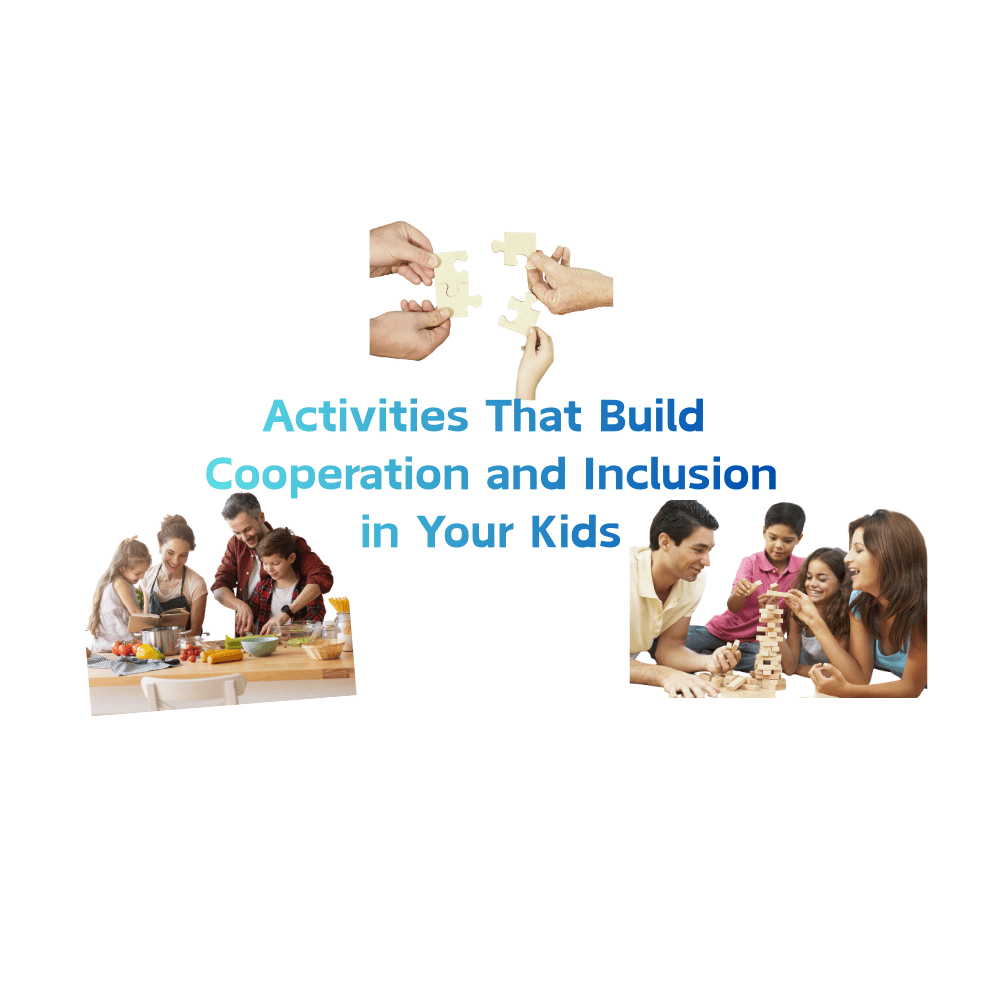
1. Bake Together, Share the Roles
Activity: Choose a simple recipe and assign each family member a role:
Mixer
Measurer
Ingredient gatherer
Timer watcher
Why it works:
Kids learn that everyone contributes something important. Cooperation becomes necessary to complete the task.
Breadcrumbz Tie-In:
Rachel Rye reminds us that teamwork makes everything sweeter!
2. Inclusion Challenge Cards
Activity: Write simple prompts on cards like:
“Invite someone new to play”
“Sit next to someone different at lunch”
“Ask someone how they’re feeling”
Let kids pick one card per day.
Why it works:
Gives kids real-life opportunities to practice inclusion in a structured, approachable way.
3. Role-Play Friendship Scenarios
Activity: Act out common situations:
Someone being left out
A disagreement between friends
Joining a group
Ask:
“What could we say to include someone?”
Why it works:
Kids feel more confident handling real situations when they’ve practiced them first.
4. The Puzzle of Us
Activity: Draw or cut out puzzle pieces. Each family member decorates one piece to represent themselves. Then connect them all together.
Why it works:
Shows that everyone is different — and that differences help create a complete, beautiful whole.
5. Kindness Spotting Game
Activity: Throughout the day, point out moments of cooperation or inclusion:
“I noticed you let your sister go first — that was cooperative.”
“You invited your friend to join — that was inclusive.”
Why it works:
What gets noticed gets repeated.
Why These Activities Work
When kids practice cooperation and inclusion regularly, they begin to:
Develop empathy
Communicate more effectively
Feel more confident in social situations
Build stronger, healthier friendships
Reduce conflict and exclusionary behavior
These aren’t just childhood skills — they are lifelong strengths.
A Message from Rachel Rye
Rachel would remind us:
“Friendship grows best when everyone has a place at the table.”
And that’s exactly what we’re teaching — not just how to make friends, but how to be a good friend.
✨ Final Thoughts
Teaching cooperation and inclusion doesn’t require big lessons or complicated plans. It happens in the everyday moments — baking together, playing together, talking through challenges, and noticing kindness when it shows up.
When families make these skills part of daily life, children learn something powerful:
We’re better together.
And in My Crumby World, that’s what it’s all about. 🍞💛