Rachel Rye Learns to Be a Team Player
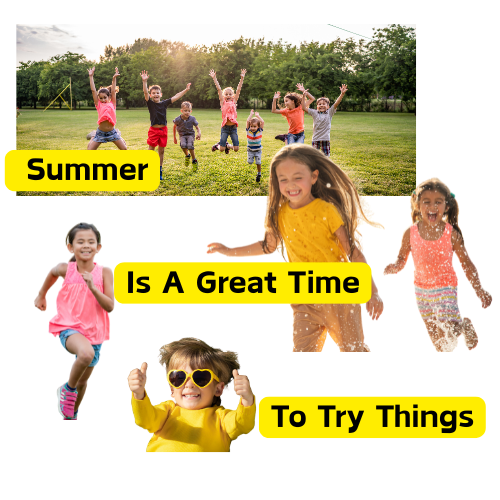
Summer is often a season filled with sunshine, swimming pools, camps, and sports. For many children, it’s also a time to join a team, learn new skills, and make new friends.
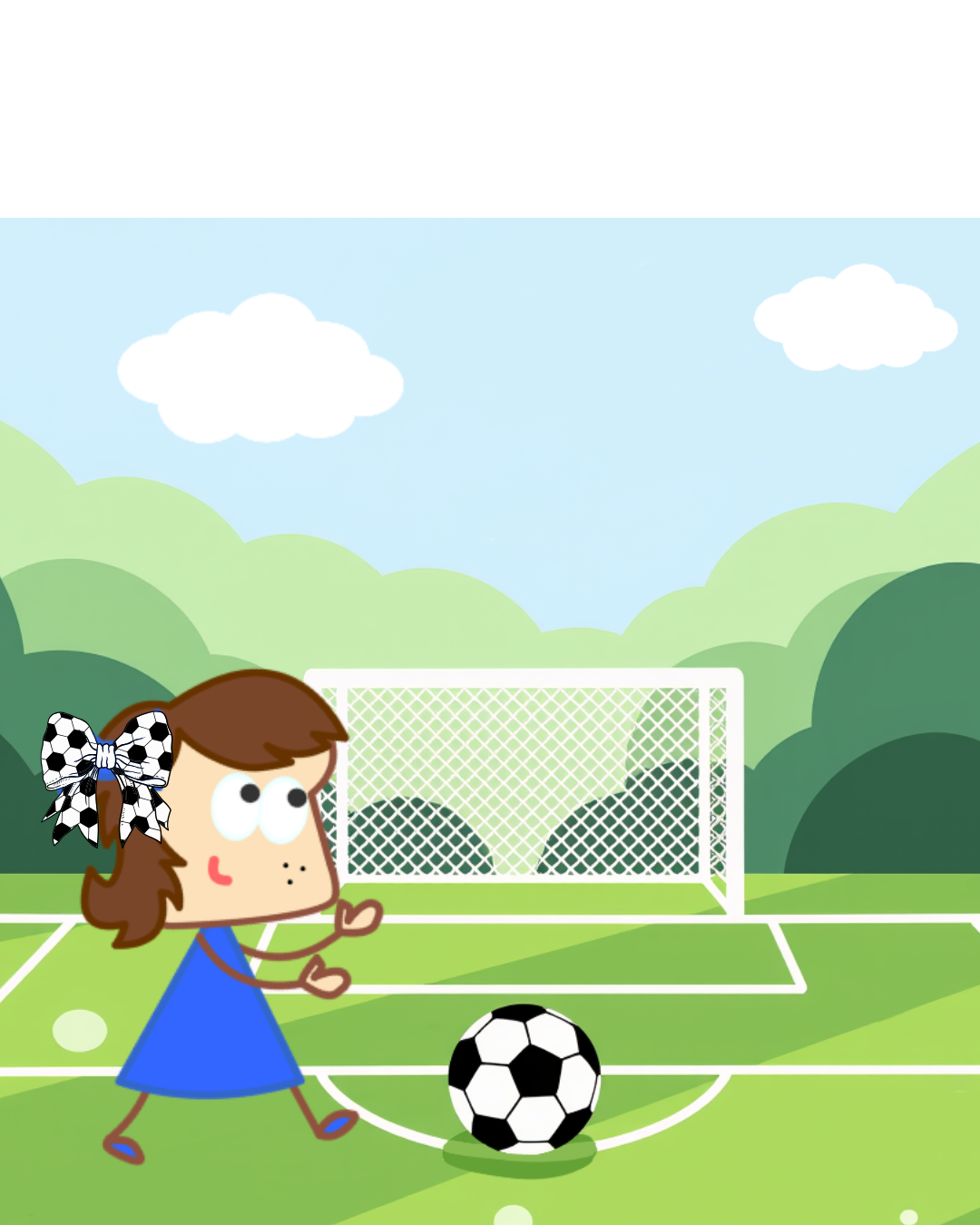
Rachel Rye couldn’t wait to start soccer season.
She had brand-new cleats, a shiny water bottle, and dreams of scoring lots of goals. As she ran onto the field for her first practice, she imagined herself racing past defenders and kicking the winning goal.
But Rachel quickly discovered something surprising.
Soccer wasn’t just about her.
It was about the team.
At first, Rachel wanted to be the one who scored every goal. She didn’t always pass the ball. She got frustrated when teammates made mistakes. Sometimes she even forgot to listen when the coach explained the game plan.
After one practice, Rachel sat on the sidelines feeling disappointed.
That’s when her coach sat down beside her.
“Rachel,” he said, “do you know what makes great teams successful?”
Rachel thought for a moment.
“Scoring goals?” she guessed.
The coach smiled.
“Working together.”
That simple lesson changed everything.
Cooperation Is One of the Most Important Skills Kids Can Learn
Whether children play sports, attend summer camps, participate in group activities, or simply spend time with friends, summer offers countless opportunities to practice cooperation.
Cooperation means:
- listening to others,
- sharing ideas,
- taking turns,
- helping teammates,
- solving problems together,
- and working toward a common goal.
These skills don’t just help children on the soccer field.
They help children thrive in the classroom as well.
Why Teamwork Matters for School Success
Many parents focus on preparing children academically for school, but teachers consistently emphasize another critical skill:
The ability to work well with others.
In today’s classrooms, students are often expected to:
- participate in group projects,
- work with partners,
- share materials,
- collaborate during activities,
- communicate respectfully,
- and solve conflicts appropriately.
Children who have learned cooperation skills often find it easier to:
✅ make friends
✅ follow classroom routines
✅ participate in discussions
✅ navigate disagreements
✅ contribute positively to group work
These social skills help create a strong foundation for academic success and emotional well-being.
⚽ Rachel’s Teamwork Lesson
As the season continued, Rachel began focusing less on herself and more on her teammates.
She learned to:
- pass the ball when someone else had a better shot,
- cheer for teammates when they succeed,
- encourage friends after mistakes,
- listen to her coach,
- and celebrate team victories rather than individual accomplishments.
Something amazing happened.
The more Rachel focused on helping the team, the more fun she had.
And surprisingly, she became a better player too.
Because cooperation helps everyone improve.
☀️ Summer Is the Perfect Time to Practice Teamwork
Not every child participates in organized sports, but teamwork can be practiced almost anywhere.
Try these simple summer activities:
🌾 Build a Backyard Fort Together
Children must share ideas, divide responsibilities, and work toward a common goal.
🎨 Create a Giant Sidewalk Chalk Mural
Kids learn to collaborate and make decisions as a group.
🔍 Organize a Team Scavenger Hunt
Friends work together to solve clues and find hidden treasures.
💦 Water Balloon Relay Races
Success depends on communication and cooperation rather than speed alone.
🍪 Bake as a Team
Assign different jobs and encourage everyone to contribute to the final product.
Each activity provides valuable opportunities for children to practice the skills they’ll use throughout their lives.
💛 Teaching Kids to Be Great Teammates
Parents can help children develop cooperation by encouraging them to:
- listen before speaking,
- celebrate others’ successes,
- share responsibilities,
- offer help when needed,
- and understand that everyone contributes differently.
Remind children that being a good teammate doesn’t mean being perfect.
It means showing respect, kindness, and a willingness to work together.
 Rachel Rye Says…
 Rachel Rye Says…
“A team is like a loaf of bread. Every ingredient matters.”
This summer, encourage your child to discover the joy of teamwork.
Whether they’re playing soccer, attending camp, building a fort, or working on a family project, every cooperative experience helps them develop skills that will benefit them in school and beyond.
Because when children learn to work together, everyone rises.
And that’s a lesson worth practicing all summer long.